
From June 9 to 22, the College of International Education of East China University of Science and Technology (ECUST) successfully hosted the “ECUST Impression” Summer Camp. The program welcomed 25 students and teachers from Asheville High School in North Carolina, USA, for an immersive cross-cultural academic experience.
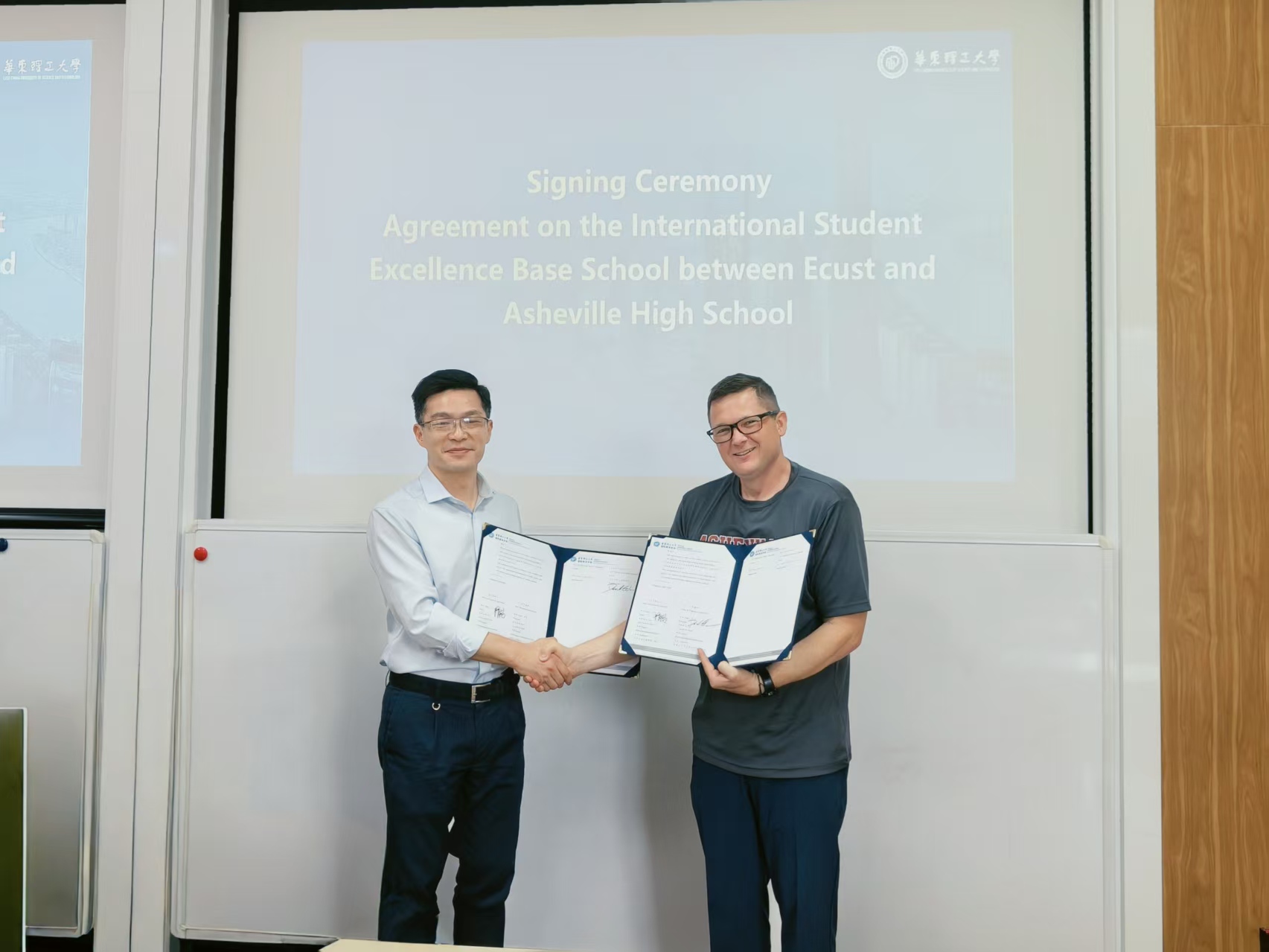
At the opening ceremony, Mr. Li Xiaopeng, Dean of the College of International Education, ECUST, delivered a welcome speech highlighting the university’s international education initiatives. During the ceremony, the College of International Education and Asheville High School signed the Agreement on the International Student Excellence Base School, further strengthening cooperation and exchange in the field of international education between the two institutions.
Conducted in two phases across Beijing and Shanghai, the camp combined city visits, cultural experiences, and academic courses to provide authentic insights into Chinese culture and contemporary society.
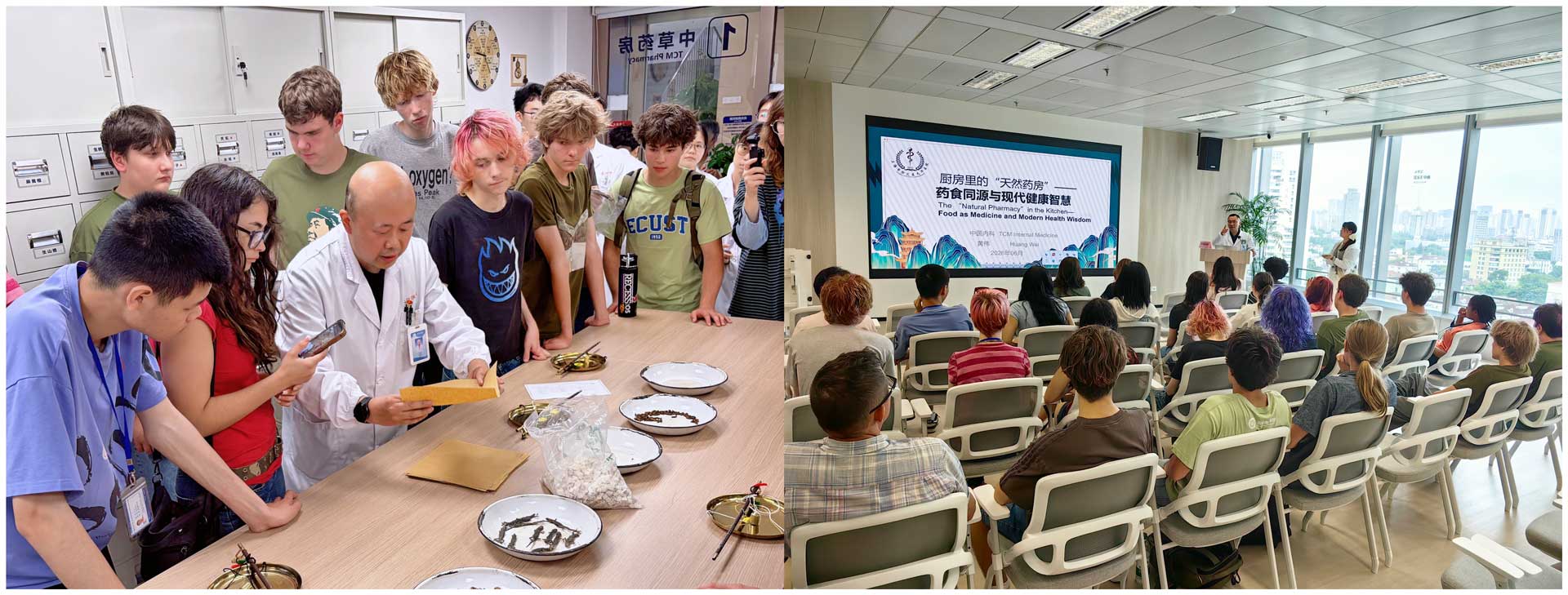
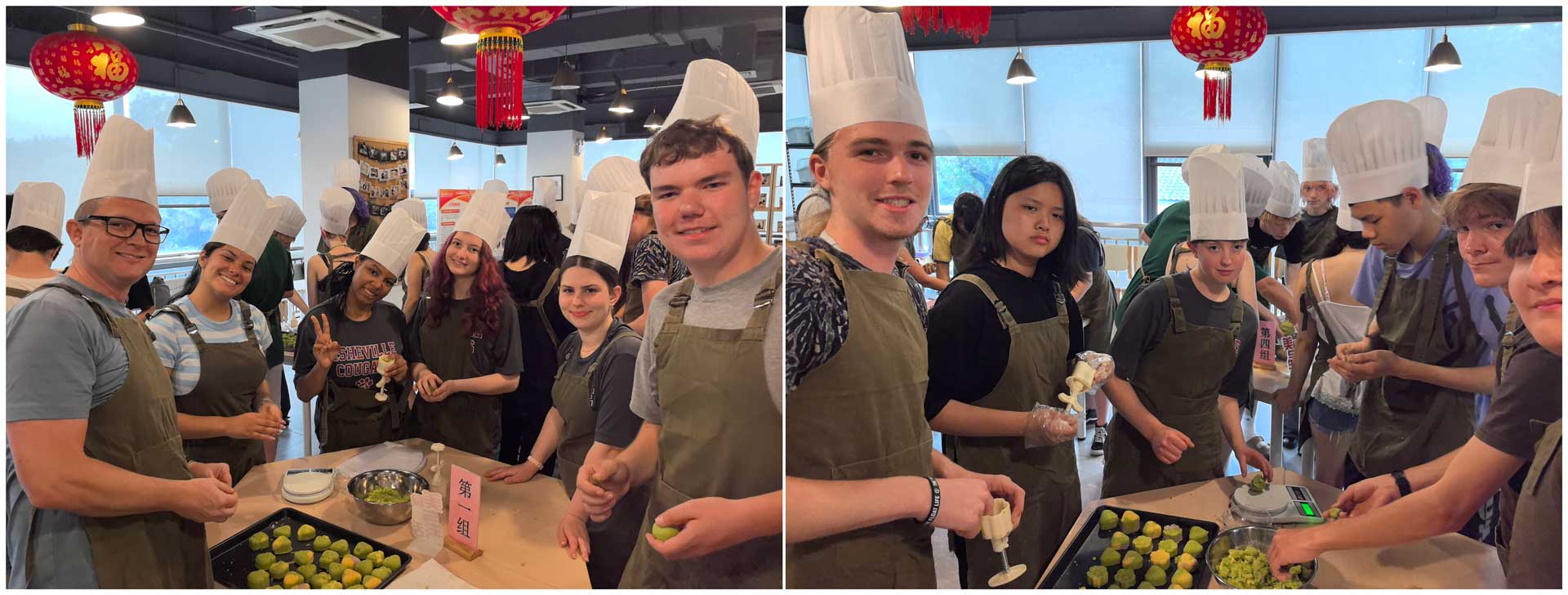
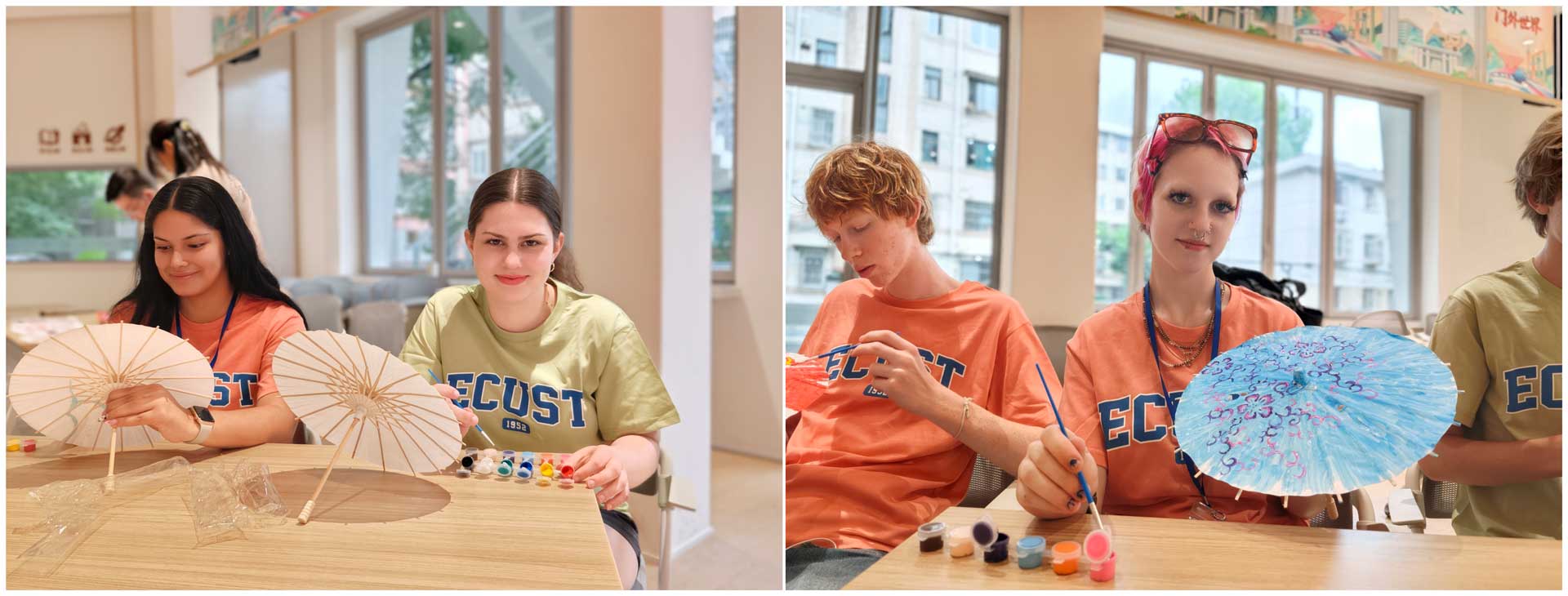
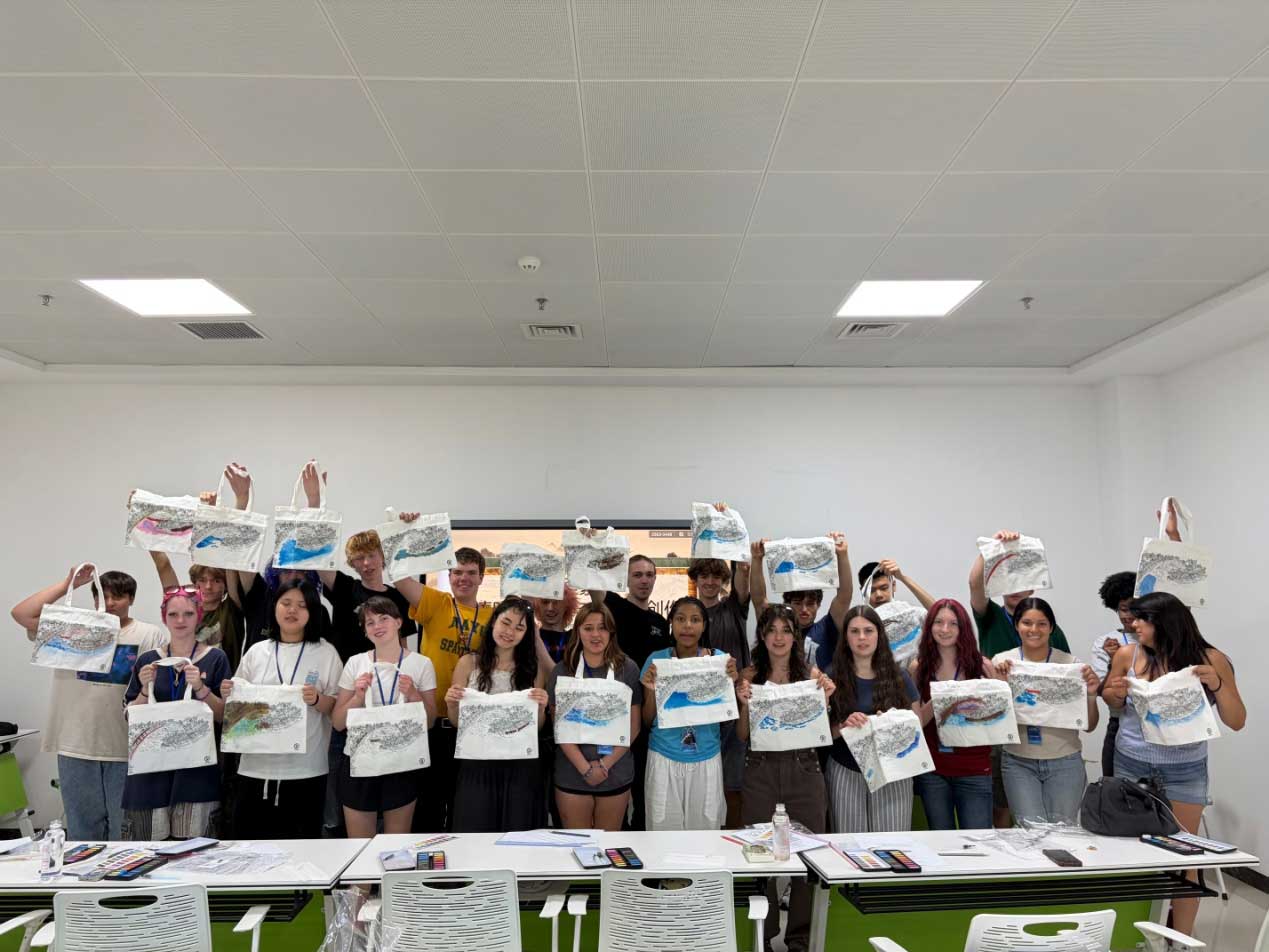
Students engaged in hands-on cultural activities, including creating a section of the Along the River During the Qingming Festival scroll, seasonal dietary experiences, traditional wellness practice (Baduanjin), tea culture workshops, and intangible heritage crafts like touhu (pitch-pot) and lacquer fan making.
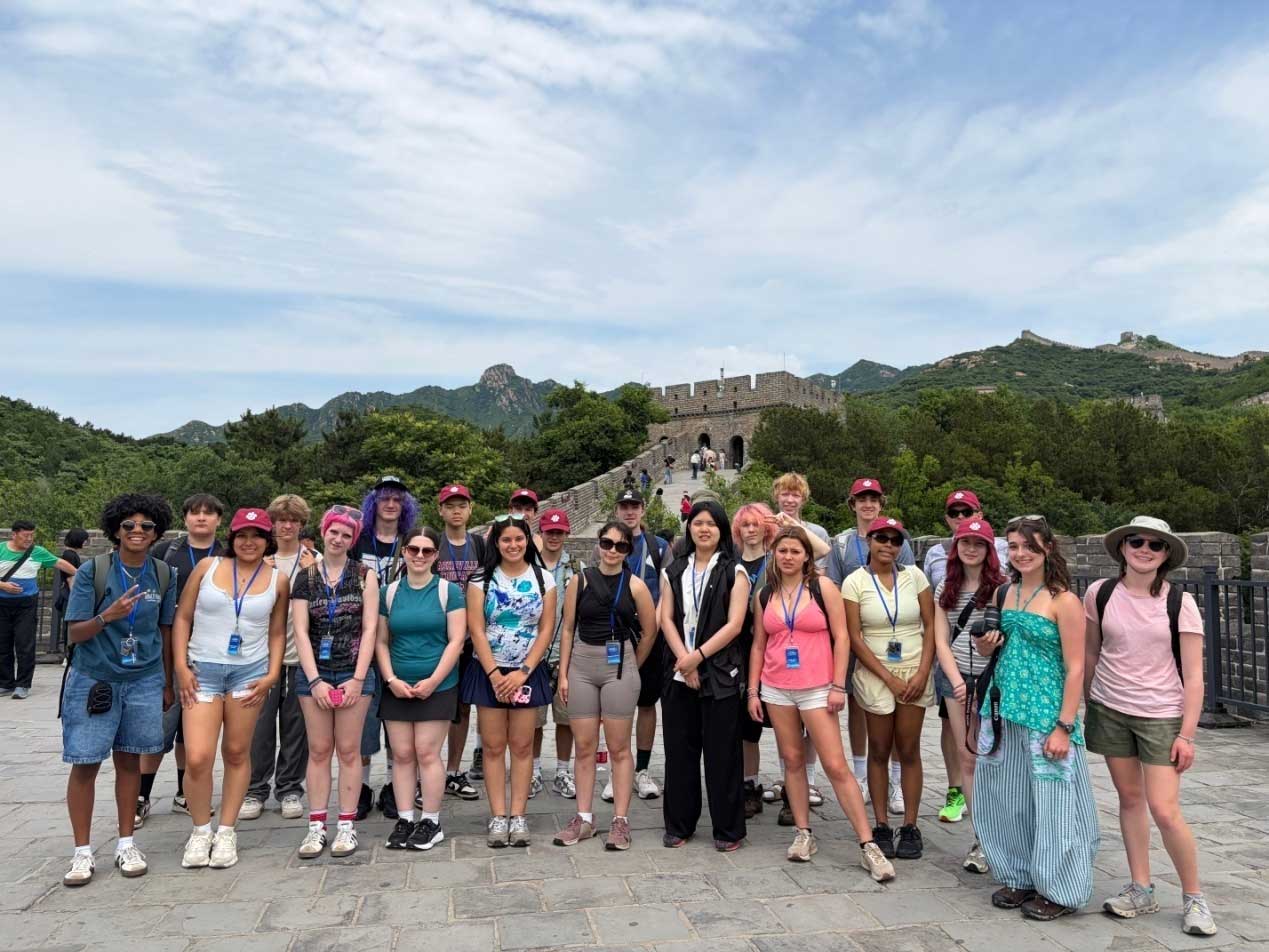
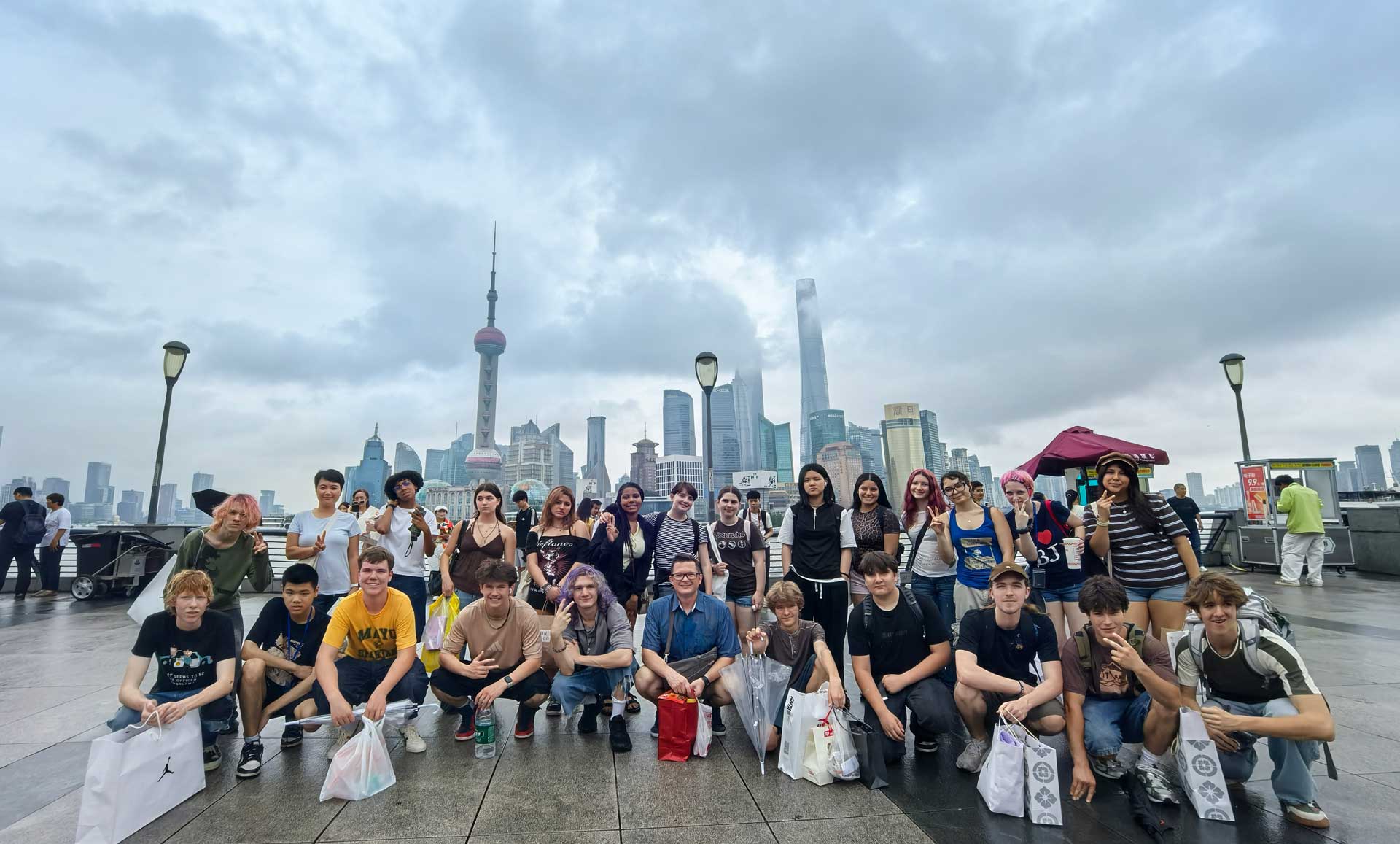
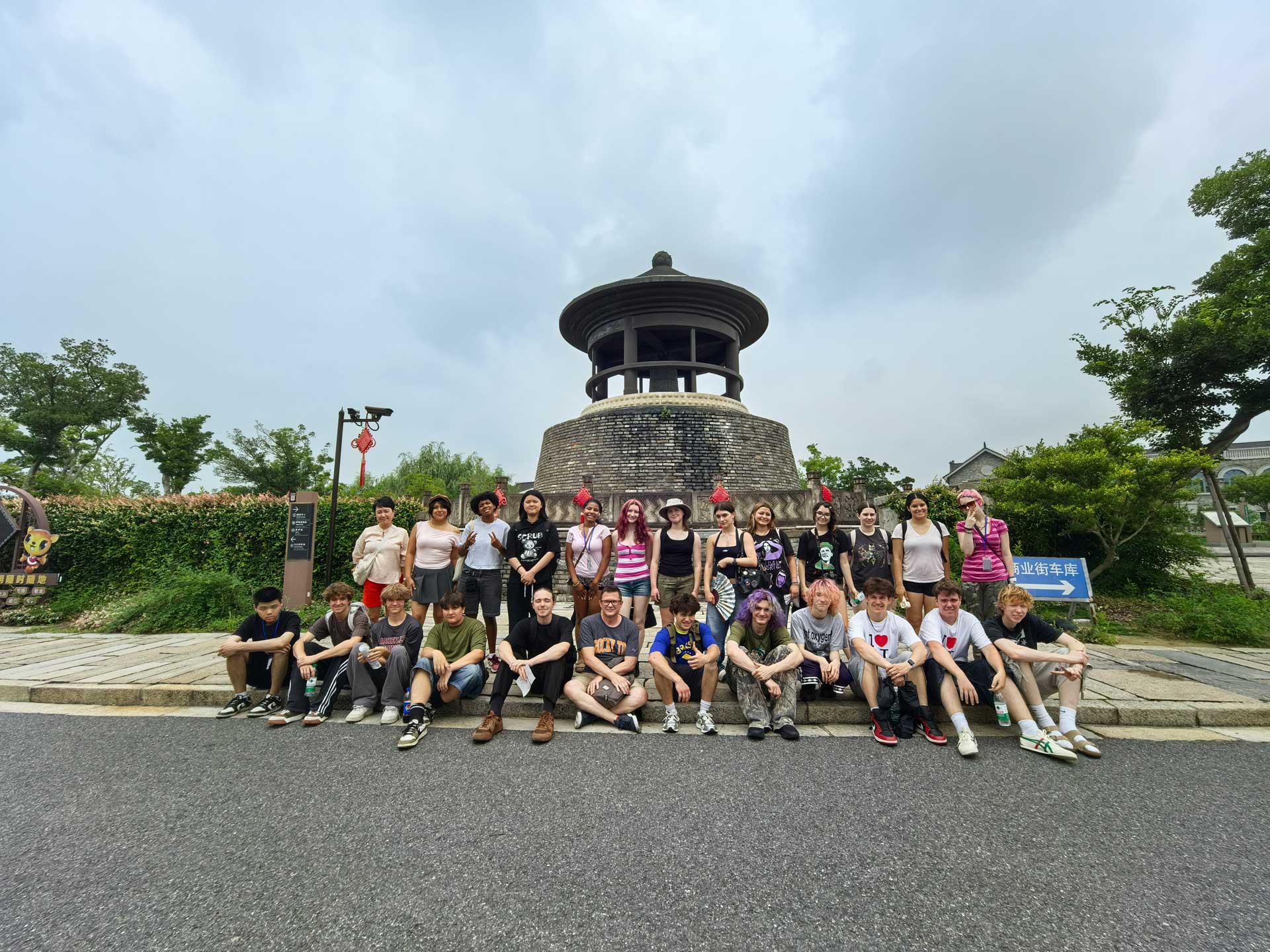
During city study tours, participants explored Beijing’s Forbidden City, Jingshan Park’s Wanchun Pavilion, and the Badaling Great Wall. In Shanghai, they visited the Shanghai Museum (East Branch), Shanghai Tower, Wukang Road, and the City God Temple area, as well as cultural sites such as the Guangfulin Relics and Zhujiajiao Ancient Town, gaining comprehensive insights into both cities' heritage and modern development.
The program also featured ECUST’s academic strengths through thematic lectures and practical courses, including the “Twelve Fragrances of ECUST” series on campus, broadening students’ academic horizons.
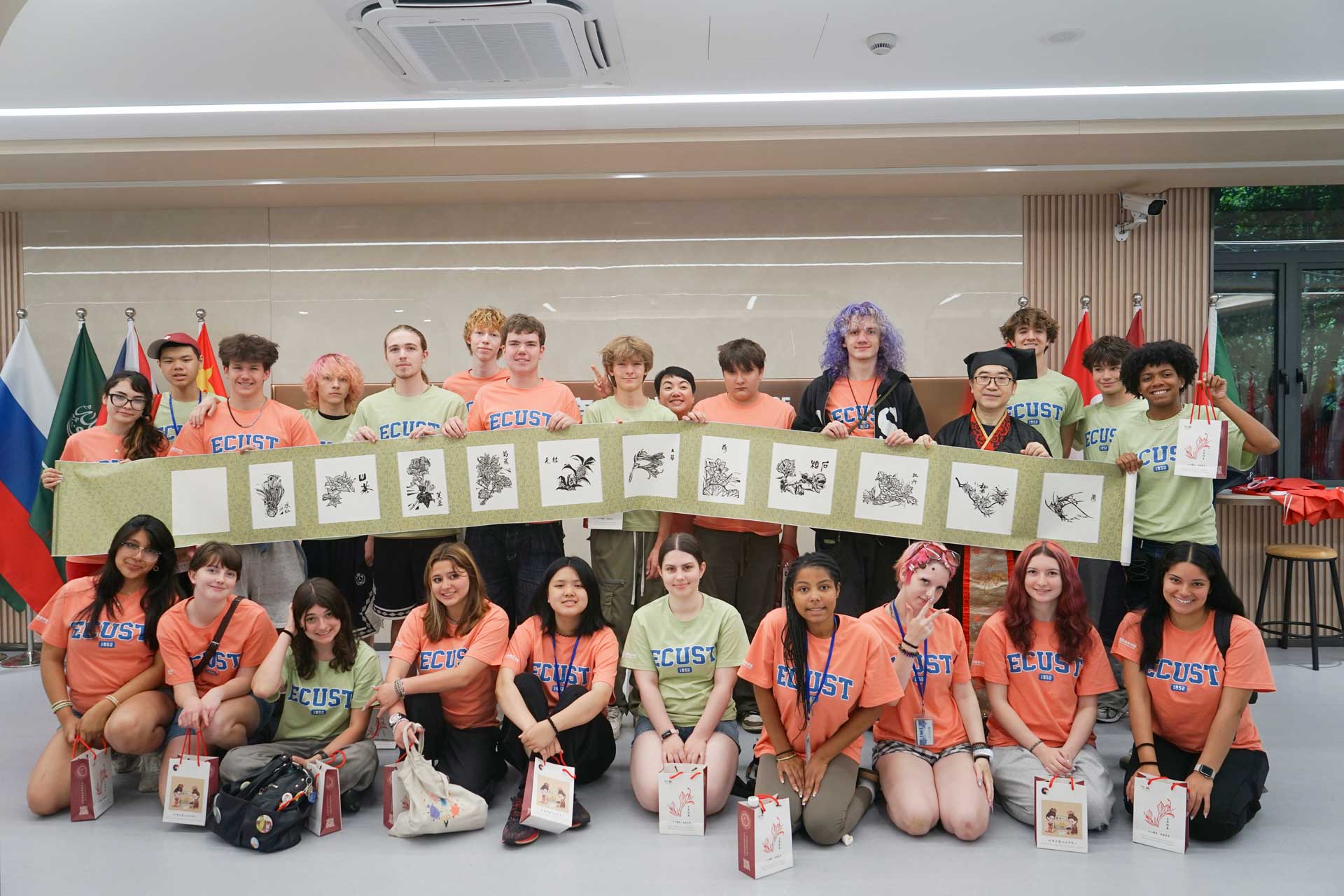
At the closing ceremony, students shared reflections on their journey. They noted that the immersive experience in Beijing and Shanghai deepened their understanding of China’s history, culture, and urban development, leaving them with lasting, meaningful memories of Chinese society.