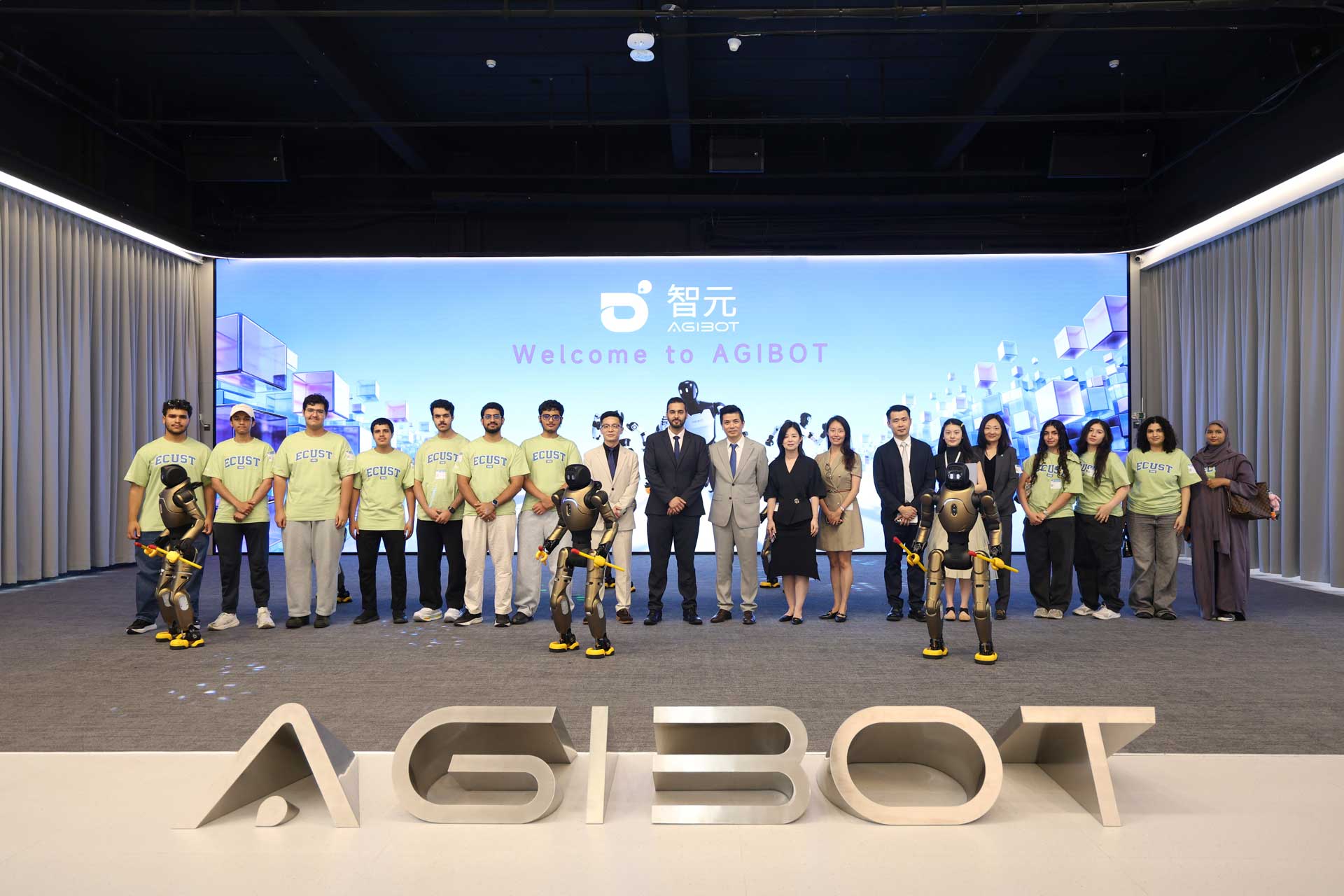
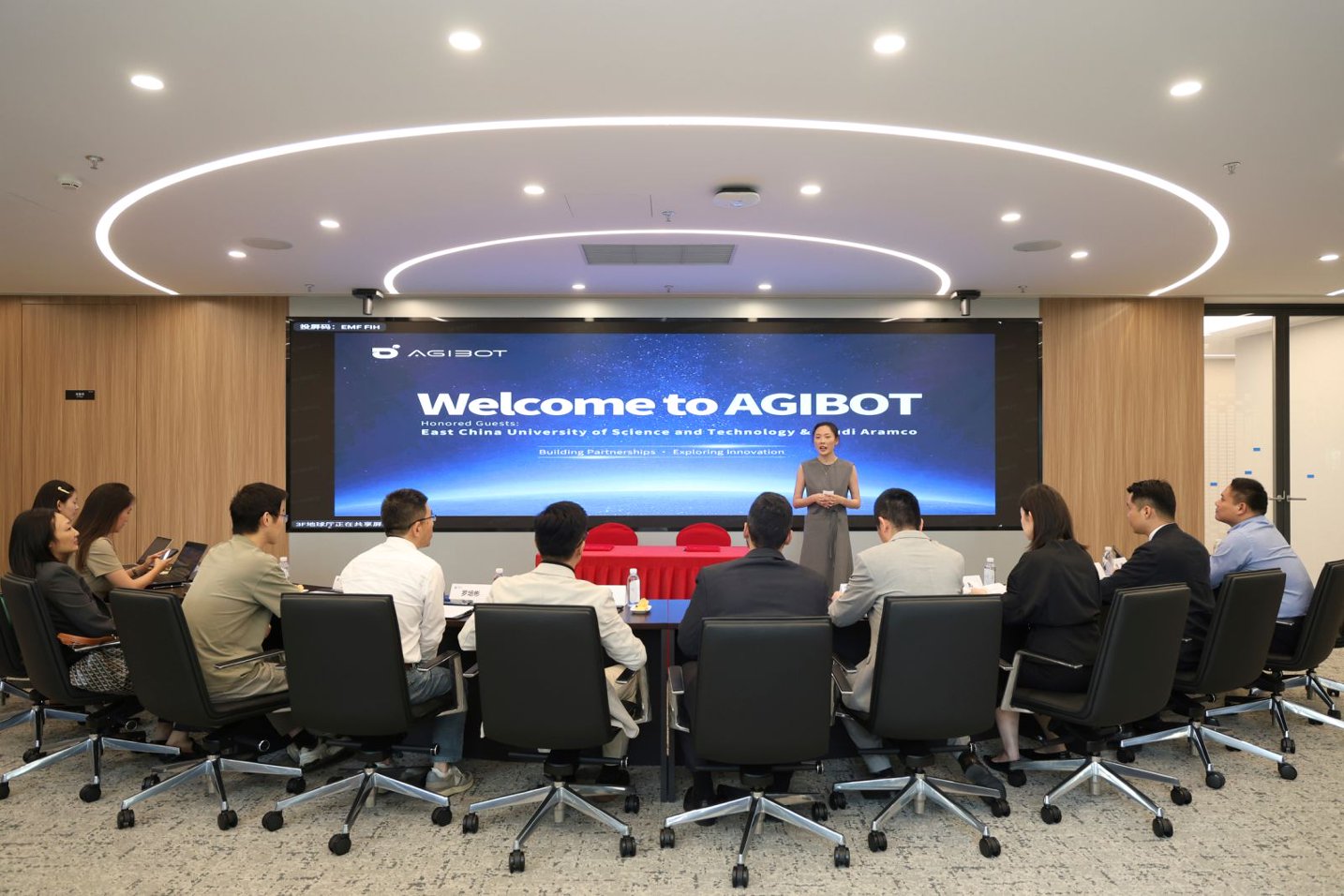
In a bold move that bridges the gap between academia and the cutting edge of technology, ECUST has officially partnered with AGIBOT Innovation (Shanghai) Technology Co., Ltd. This strategic alliance, signed on June 26 at AGIBOT's Shanghai headquarters, marks the opening of a new chapter in industry-education integration, specifically designed to empower the next generation of global talent.
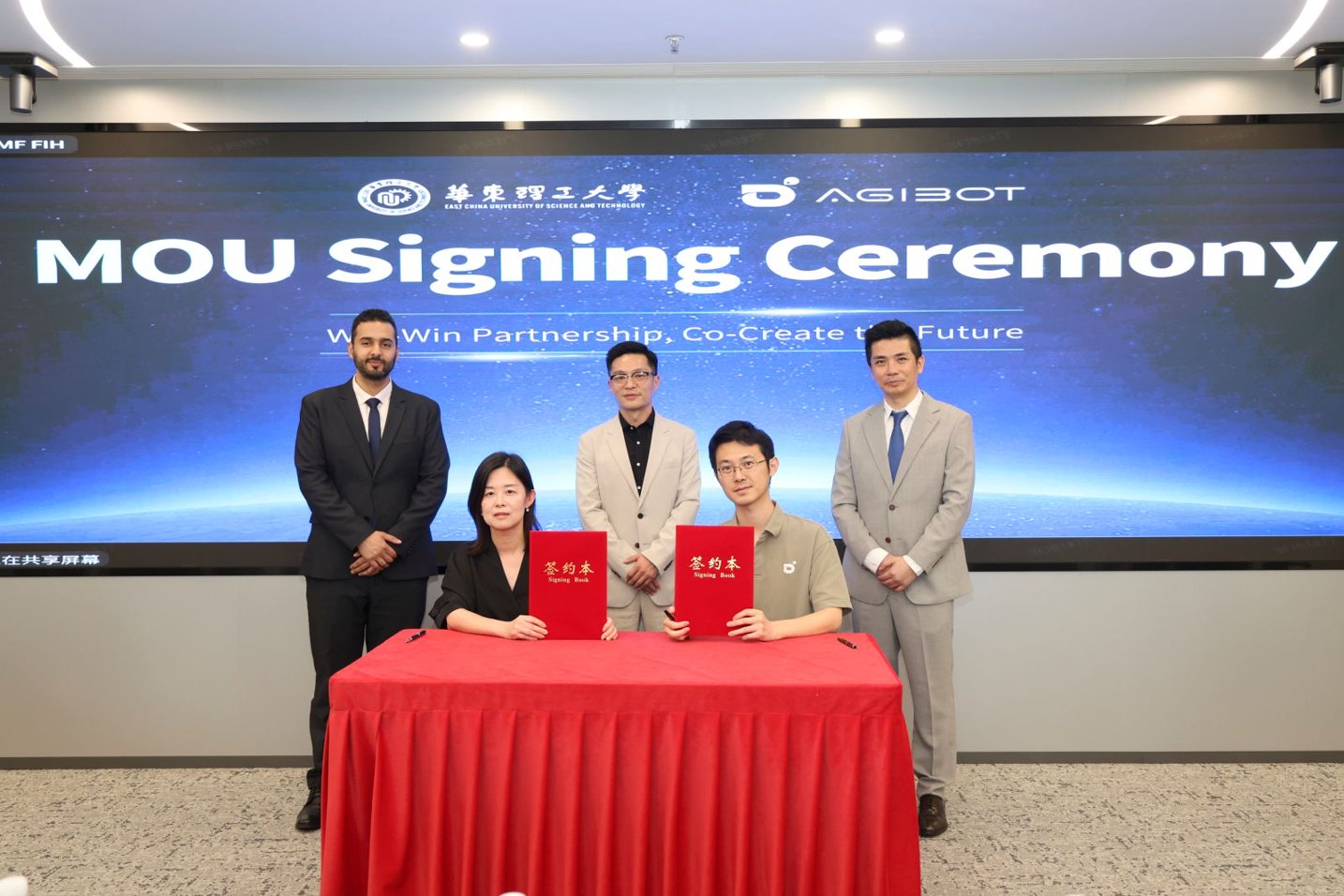
(Photo caption: Signing ceremony)
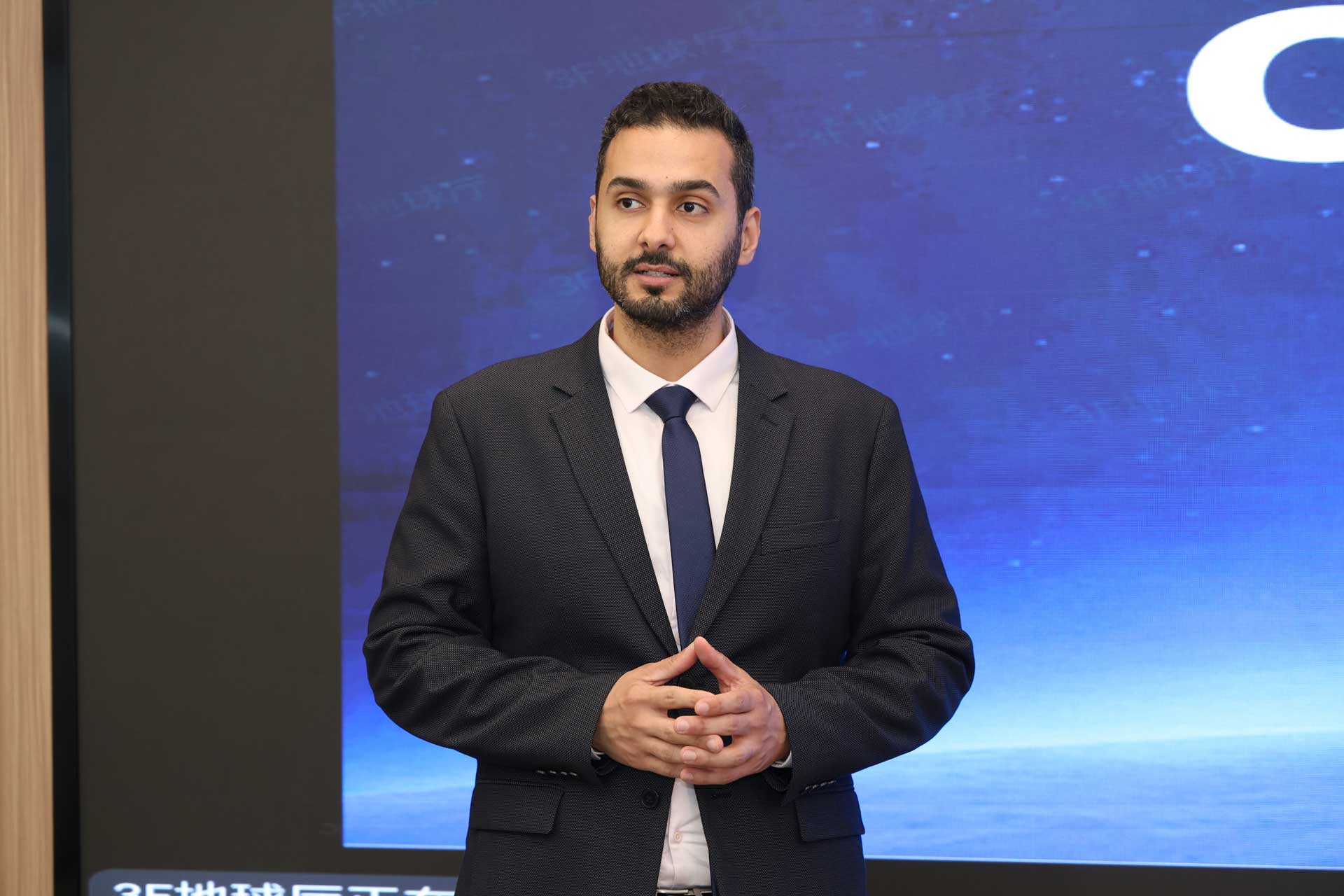
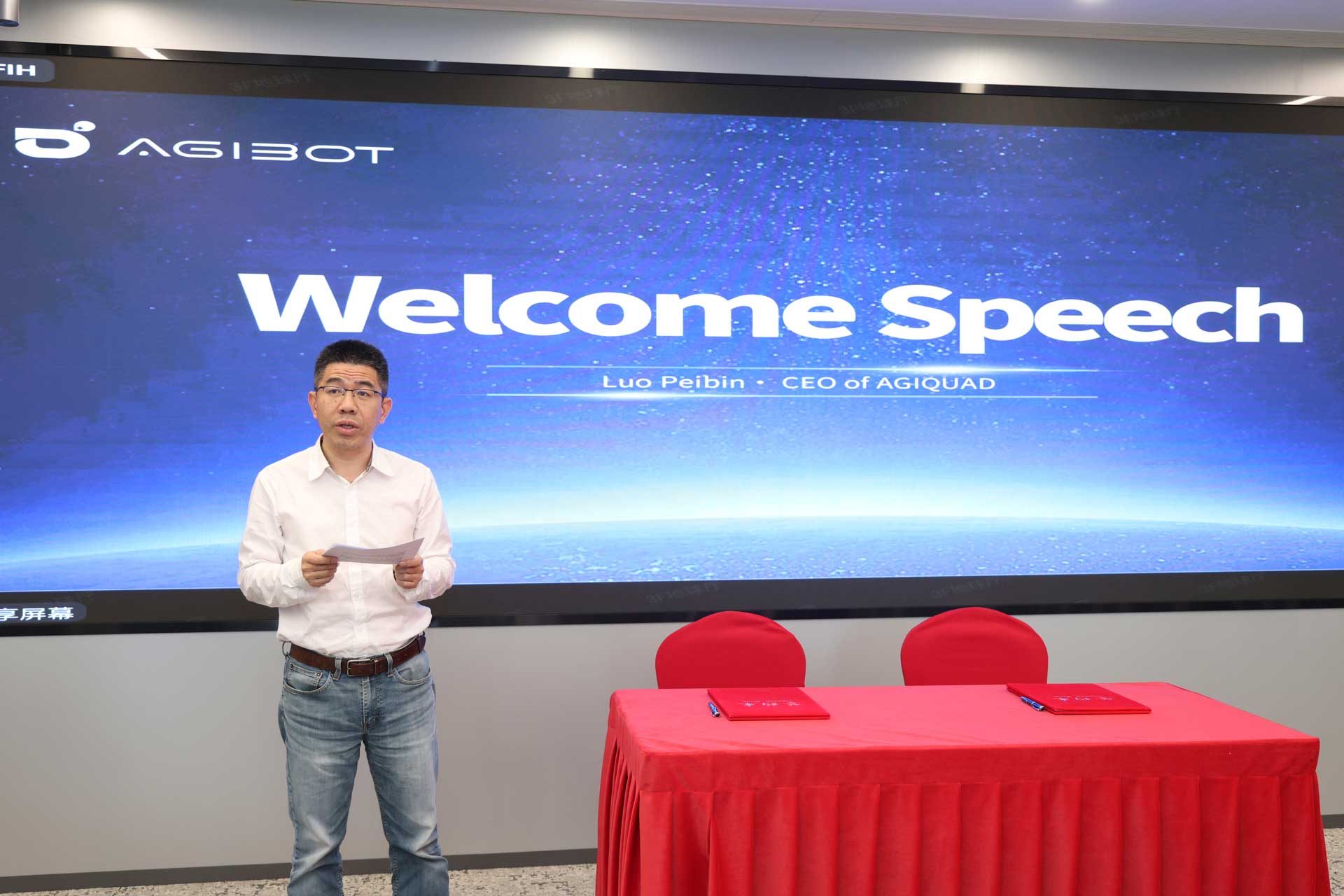
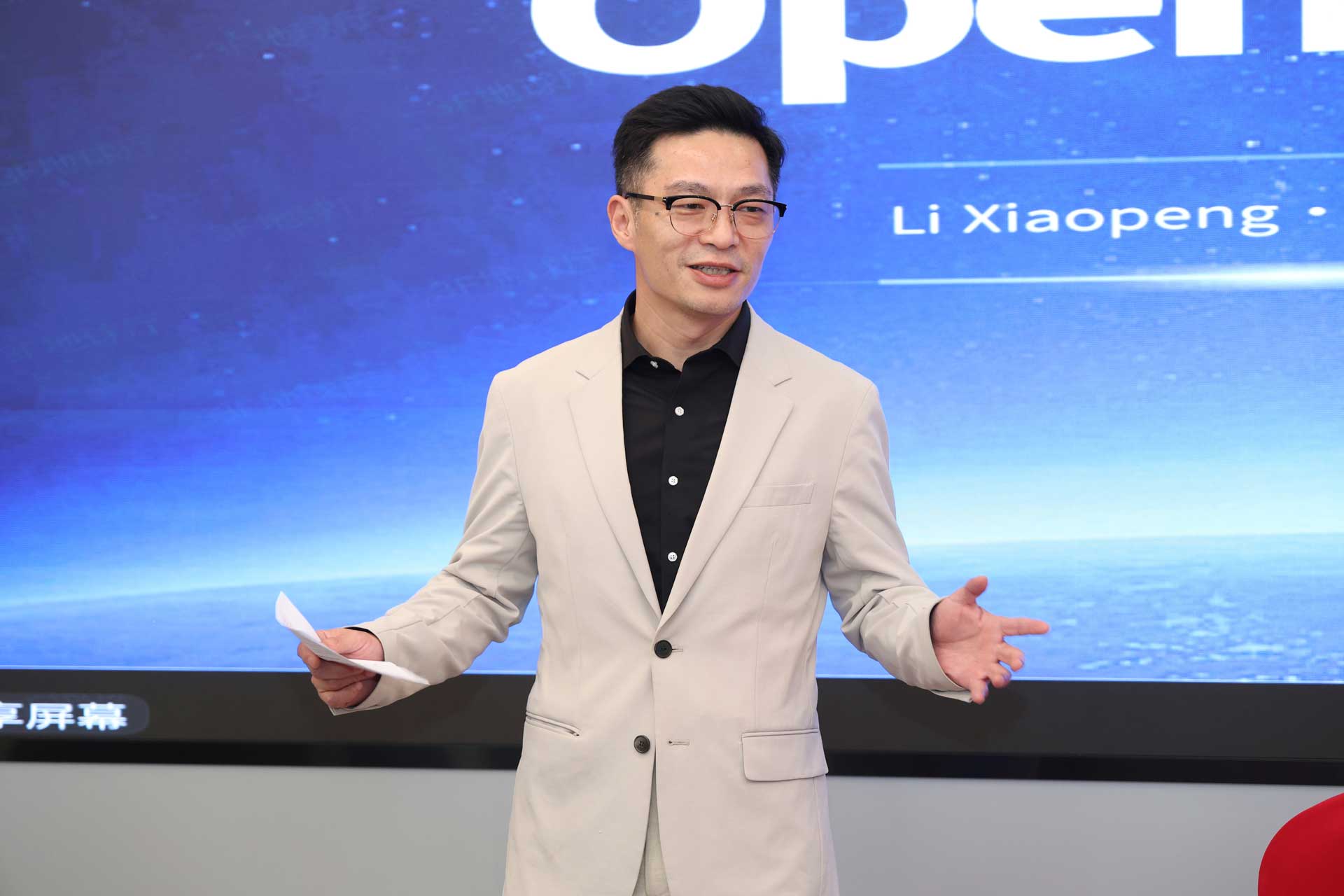
The signing ceremony was a gathering of academic and industrial leaders. ECUST was represented by Dean Li Xiaopeng and Vice Dean Tian Ye of the College of International Education. They were joined by key figures from AGIBOT, including Luo Peibin, CEO of AGIQUAD, Wang Tian, Director of the Interactive Intelligence Business Unit, and Yao Yuan, Vice President of AGIBOT’s META and AP Regional. Notably, the event also welcomed Abdullah AlHathloul, Director of Asia Training & Development at Saudi Aramco, as a special witness, underscoring the international significance of this initiative and the strong foundation between Saudi Aramco and ECUST.
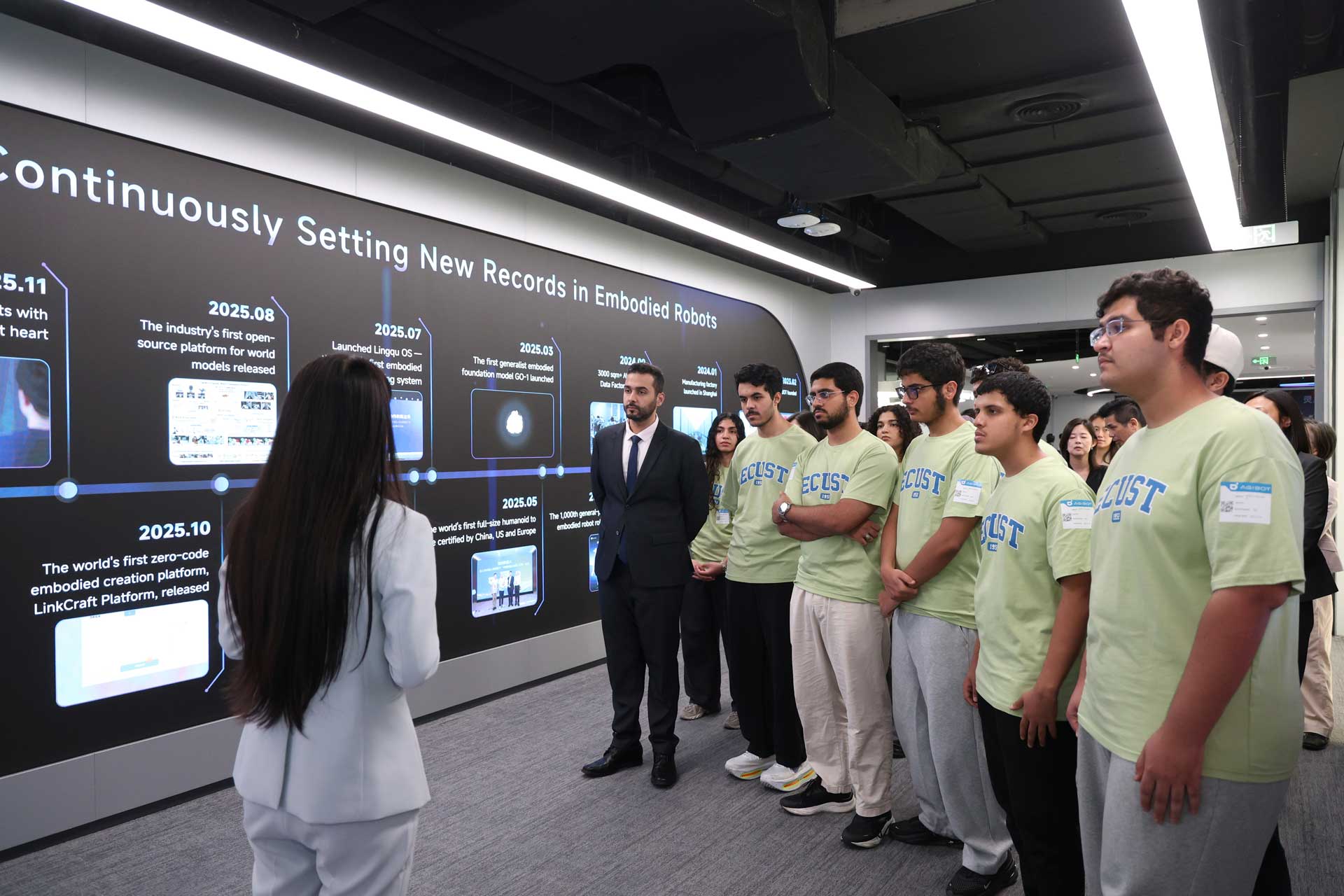
True to the spirit of "moving the classroom to the frontlines of industry," the event offered students an exclusive behind-the-scenes look at the future. During a comprehensive tour of AGIBOT's exhibition hall and data center, students moved beyond textbooks to witness firsthand how data drives the evolution of humanoid robots. They learned that while walking is a basic function for robots, true intelligence lies in understanding the world—a process fueled by massive amounts of high-quality, multilingual data. This access is the cornerstone of the new internship platform, transforming theoretical knowledge into tangible experience.
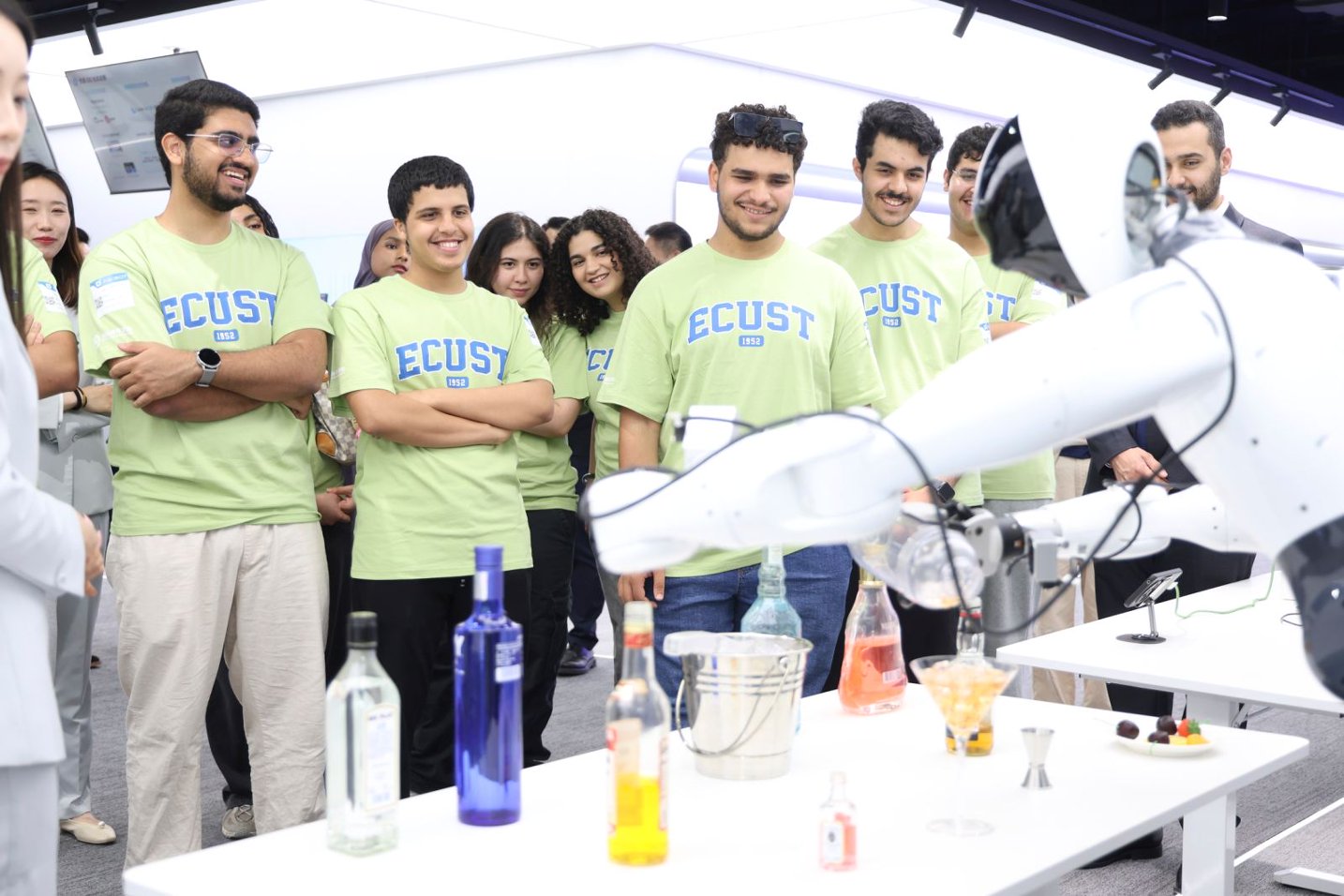
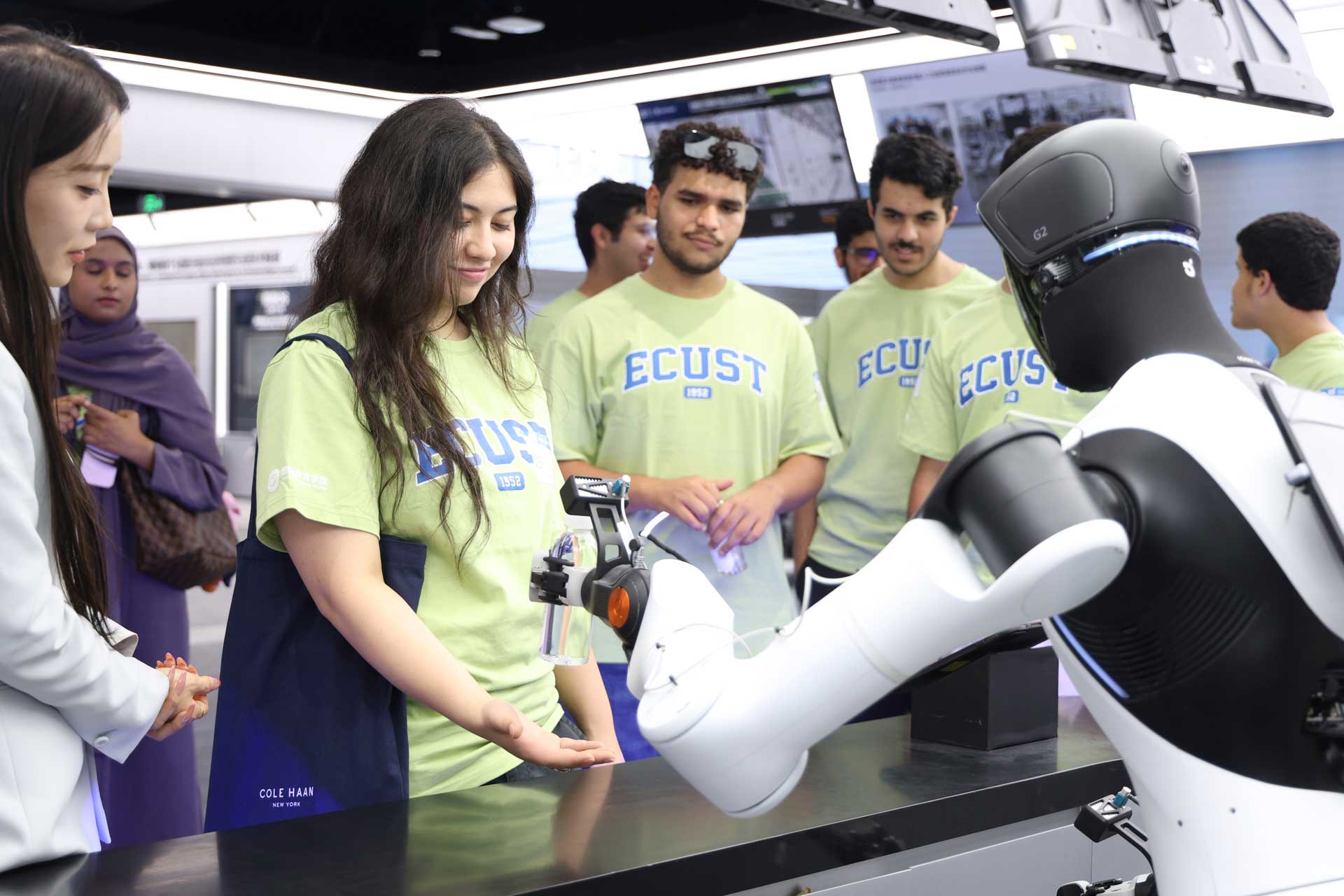
This partnership unites AGIBOT’s industry leadership with ECUST’s diverse international student body. As the world's first embodied intelligence enterprise with a comprehensive layout, AGIBOT ranked first globally in both humanoid robot shipments and market share in 2025. Through this collaboration, students are empowered to actively contribute to global AI development. By participating in real-world data collection and technology validation, they transition from traditional learners to becoming the vital windows through which robots learn to understand and navigate a complex, globalized world, bridging their academic journey with the forefront of global innovation.