
On July 25, the Hangzhou Finals of the 2026 (19th) China Collegiate Computer Design Competition (4C) successfully concluded at Zhejiang Conservatory of Music. An international student team from ECUST’s College of International Education earned the National Third Prize with their innovative project, “Discovering China’s Architectural Heritage: A Digital Platform for Traditional Chinese Architecture.”
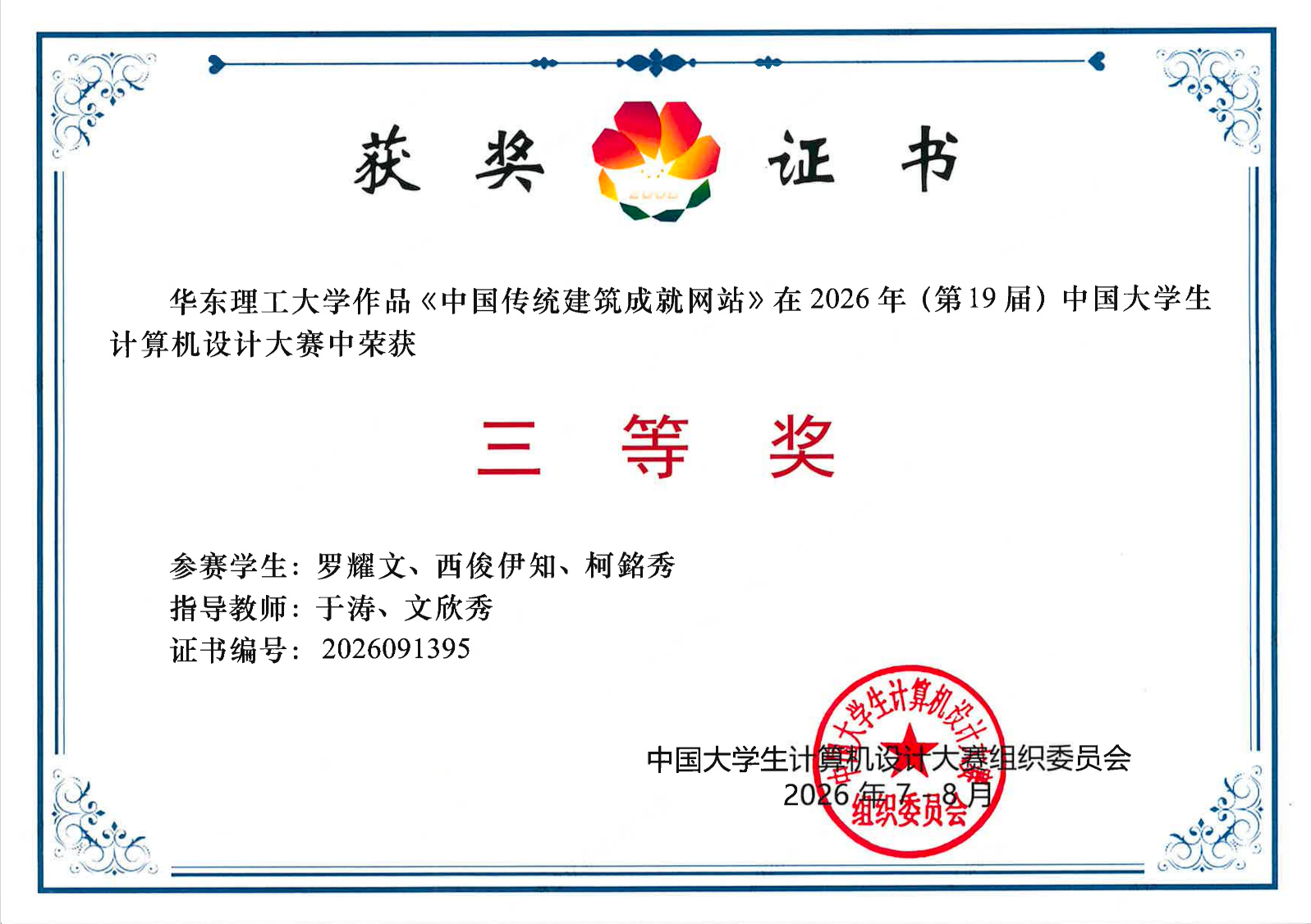
This year’s highly prestigious competition attracted over 10,000 entries nationwide. The International Student Sinology Track focused on the theme “Achievements of Ancient Chinese Architecture,” challenging students to digitally preserve historical landmarks built before 1911.
The award-winning project brilliantly merges digital innovation with cultural preservation. During the finals, Japanese team member Nishi Shunichi shared the inspiration behind their work: “Many national treasures are hidden in remote mountains, making them inaccessible. We wanted to use digital technology to help global youth discover and appreciate Chinese architectural heritage, ensuring it is passed on to future generations.”
Team leader Luo Yaowen from Indonesia described the months of preparation as “building something meaningful from the ground up.” Facing numerous technical challenges, the team tackled every problem head-on with the guidance of their faculty advisors. Luo reflected, “Every discussion taught me how to collaborate effectively within a multicultural team. The late nights and breakthroughs have become invaluable experiences that helped me grow.”
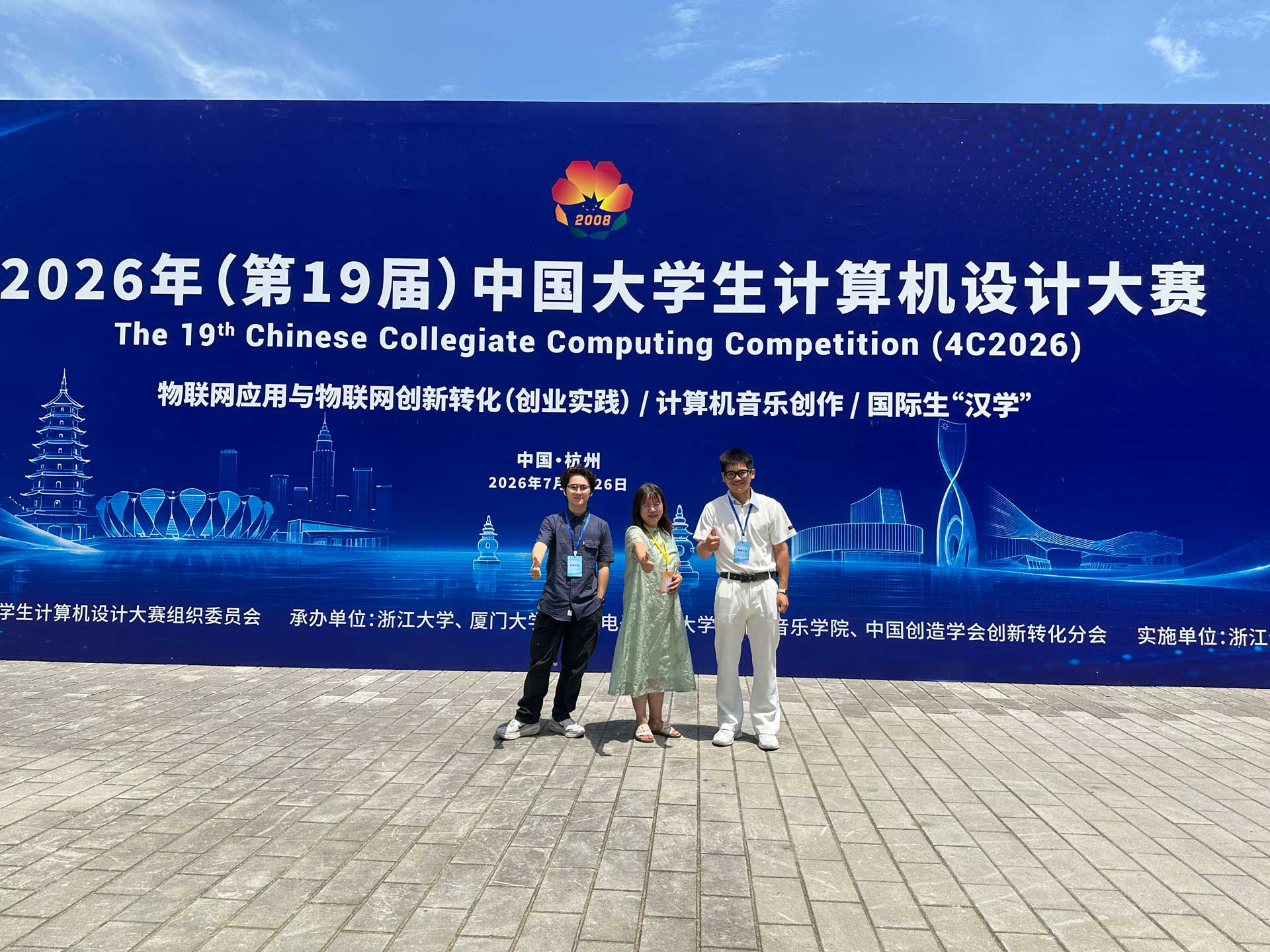
Beyond technical problem-solving, the competition strengthened the students' resilience and teamwork under pressure. From being inspired by China’s magnificent ancient architecture to becoming digital storytellers, this journey perfectly reflects our university’s educational mission. By helping international students understand China and share its stories, we continue to foster meaningful cross-cultural exchange. When centuries-old architecture meets the creativity of today’s global youth, the international communication of Chinese culture finds its most vibrant expression.